
Victorian Grace: Shilling–Lamb House Aspen
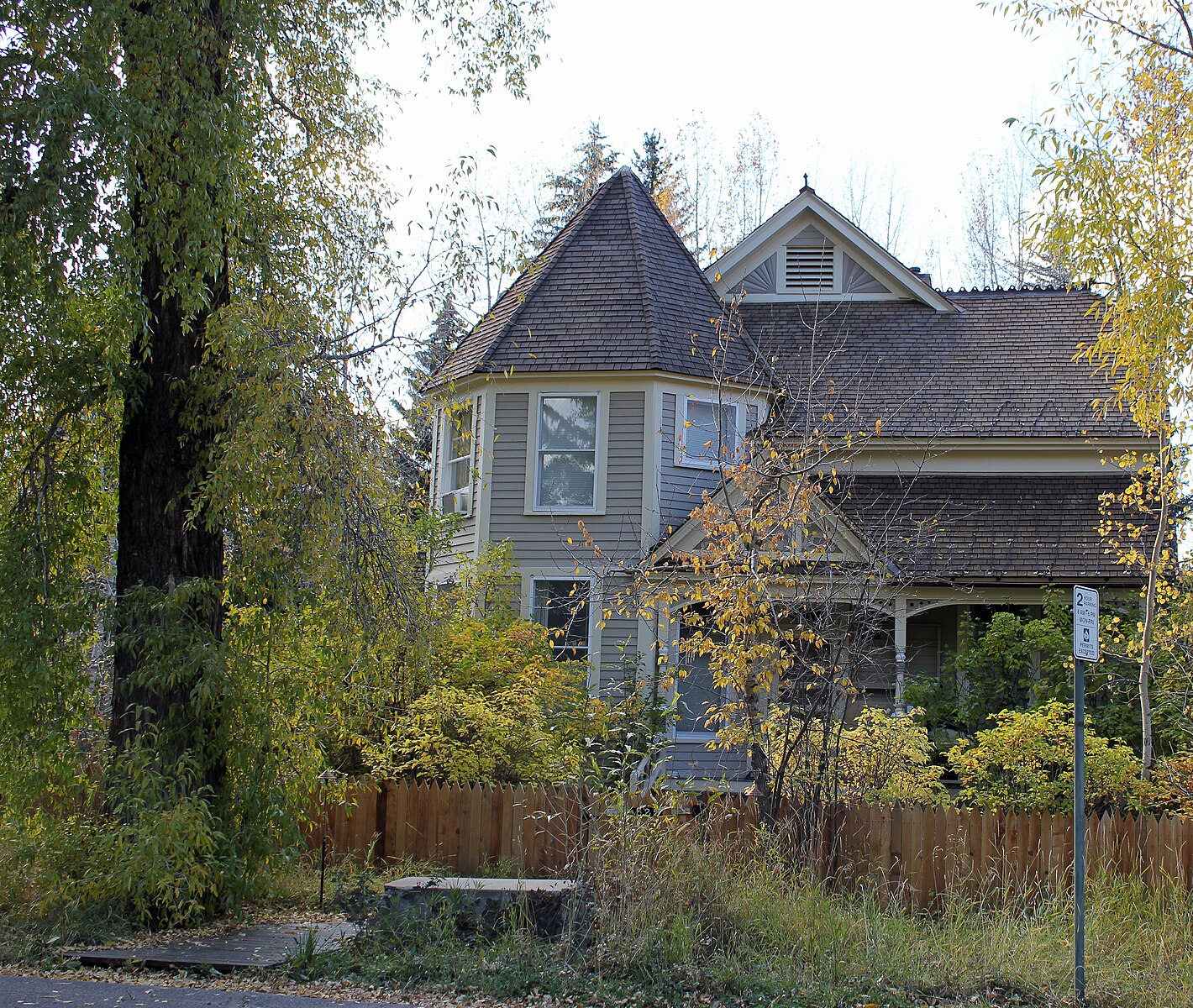
The Shilling–Lamb House Aspen whispers stories of boomtown grit and post-war cultural revival, starting with its slender octagonal tower rising above Aspen’s historic West End.
Property Snapshot
-
Location: North Second Street, Aspen, CO
-
Developer / Original Owner: Arthur Shilling, dry-goods merchant
-
Designation: Queen Anne residence with corner octagonal tower, listed on the National Register of Historic Places (#87000163, 1987)
-
Current Use: Private residence
-
Year Built: circa 1890
-
Style: Queen Anne, minimal ornamentation, distinctive corner tower
-
Zoning: Residential West End historic district
Did You Know?
The Dixon–Markle House is believed to be the only Queen
The Shilling–Lamb House Aspen is the only Queen Anne residence in town featuring a corner octagonal tower paired with restrained decoration—setting it apart from ornate neighbors like the Smith-Elisha and Ola Case Houses.
Source: U.S. National Park Service nomination via History Colorado, Historic Resources of Aspen Multiple Resource Area (historycolorado.org).
Why It Matters
Heritage: The Shilling–Lamb House Aspen captures the city’s arc—from silver-rush splendor to “quiet years” decline, then mid-20th-century cultural revival.
Real-Estate Significance: As one of Aspen’s most intact Victorian residences, it carries both architectural prestige and neighborhood continuity.
History Through the Decades
-
1890: Built by Arthur Shilling during the peak of Aspen’s silver boom.
-
1893–early 1900s: After the repeal of the Sherman Silver Purchase Act, Aspen entered decline. Albert Lamb, a prominent druggist, acquired the house.
-
Mid-20th Century: Walter and Elizabeth Paepcke purchased the property during Aspen’s cultural revival, later selling it to Edgar and Francis Stanton in 1950.
-
1950s: Edgar Stanton, co-founder of the Aspen Music Festival and School, established the Edgar Stanton Audio Recording Institute here—linking the Shilling–Lamb House Aspen with music education history.
-
Today: The house remains a private residence, largely preserved in its historic form.
Architectural Features
-
Two-story wood frame with clapboard siding, perched on a high sandstone foundation.
-
Cross-gabled roof fields adorned with dog-ear shingles; the standout is the octagonal corner tower capped by a conical roof.
-
Front porch with modest decorative woodwork, leading to a gabled entry; rear porch enlarged and roof removed during the quiet years.
-
Minimalist design makes the Shilling–Lamb House Aspen stand apart from its more ornate Queen Anne contemporaries.
Explore More of Aspen’s History:
Learn more about Aspen’s rarest heritage homes, including Dixon–Markle House and see how history continues to shape Aspen real estate today.
Q1: Is the Shilling–Lamb House Aspen open to the public?
A1: No—it remains a private residence.
Q2: What makes its architecture unique in Aspen?
A2: The Shilling–Lamb House Aspen is the only Queen Anne home in the city with a corner octagonal tower and restrained ornamentation.
Q3: Who lived there during Aspen’s cultural resurgence?
A3: Edgar Stanton, co-founder of the Aspen Music Festival and School and audio education pioneer.
Q4: When was it recognized as historic?
A4: It was listed on the National Register of Historic Places in March 1987.
Q5: How is it preserved today?
A5: As a private home with much of its original structure and design intact, maintaining its place among Aspen’s historic landmarks.
Sources:
- History Colorado – Historic Resources of Aspen
- Beall, J. (2011, October 14). Shilling–Lamb House [Photograph]. Wikimedia Commons.