
Unblinded Justice, Ever-Present History: Aspen’s Civic Beacon
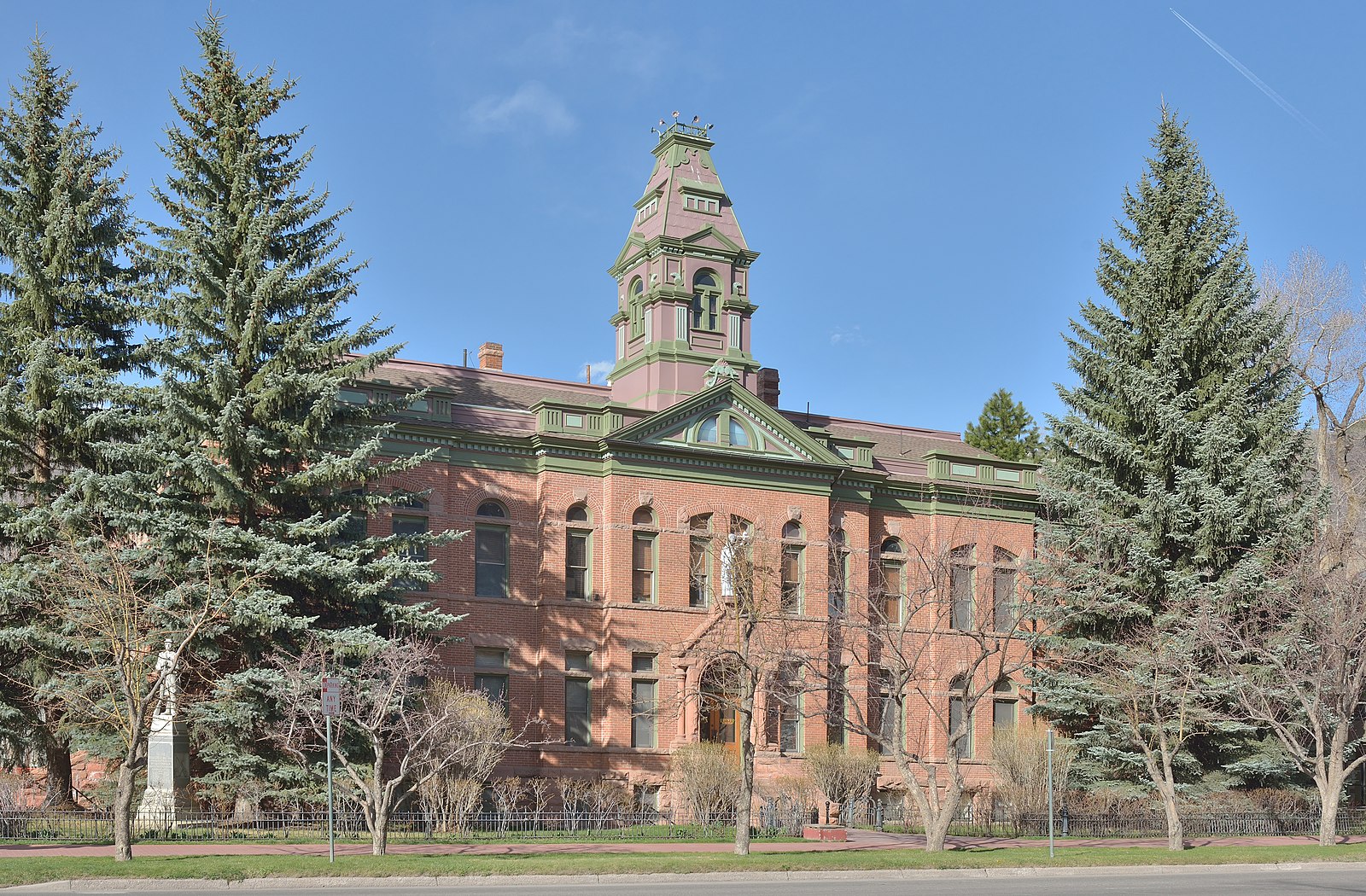
The Pitkin County Courthouse unblinded justice story begins in the heart of Aspen, where a red-brick Victorian landmark still presides over Main Street. Built in 1890–1891, this courthouse is more than a seat of law. Crowned with a rare statue of Lady Justice without a blindfold, it has become a symbol of transparency, permanence, and heritage in Aspen’s civic and real estate history.
Property Snapshot
Location: 506 E. Main Street, Aspen, CO 81611
Architect / Developer: William Quayle, Denver architect
Historic Designation: National Register of Historic Places (#75000531), listed 1975
Current Use: Pitkin County Courts & Government Offices
Year Built: 1890–1891
Style: Late Victorian with Romanesque Revival influences
Zoning: Public / Civic Use
Did You Know?
The six-foot zinc Lady Justice atop the courthouse is one of the only figures in the U.S. depicted without a blindfold—a feature that gives rise to the phrase “Pitkin County Courthouse unblinded justice.” Local lore suggests miners demanded she be able to “see” during silver-claim disputes. Source: National Register of Historic Places Nomination Form.
Why It Matters
The Pitkin County Courthouse unblinded justice tradition represents Aspen’s civic heart. It has been the town’s unbroken anchor for over 130 years—bridging frontier law, mining busts, counterculture rebellions, and modern celebrity trials. For real estate enthusiasts, the courthouse reflects how heritage properties can embody stability and identity in a fast-changing luxury market.
This building also shows how civic investment can influence community value. Where modern Aspen is filled with luxury chalets, ski-resorts, and contemporary estates, the courthouse offers something deeper: a cultural and architectural foundation that reassures buyers and residents that Aspen is not just a playground but a town with roots.
History Through the Decades
Silver Boom Era (1890–1893): Built at the height of Aspen’s prosperity, the courthouse projected civic pride—even as political controversies loomed.
Quiet Years (1893–1930s): Aspen’s population shrank after the silver crash, but the Pitkin County Courthouse unblinded justice tradition endured as the only constant institution.
Counterculture & Celebrity (1970–1990): Hunter S. Thompson’s 1970 sheriff campaign, Claudine Longet’s 1977 trial, and Ted Bundy’s escape defined its notoriety.
Modern Era (2000s–present): Still active as a court, it has hosted high-profile hearings, including Charlie Sheen’s 2009 case, proving the courthouse’s relevance across centuries.
Architectural Features
Structure & Style: A red-brick, Late Victorian building with Romanesque Revival strength.
Clock Tower: A four-tier tower with dormers and shingled roof gives civic gravitas.
Lady Justice: The zinc statue is central to the Pitkin County Courthouse unblinded justice identity—painted silver to honor Aspen’s mining heritage.
Explore More of Aspen’s History.
Explore more about Aspen’s heritage landmarks and how they connect history with today’s real estate opportunities. Also discover how discover Aspen City Hall continue to shape Aspen’s story.
Q1: Why is Lady Justice unblinded at the courthouse?
A1: The Pitkin County Courthouse unblinded justice statue reflects Aspen miners’ desire for transparent rulings in silver-boom disputes.
Q2: When was the courthouse built?
A2: Construction began in 1890 and the Pitkin County Courthouse unblinded justice symbol was completed in January 1891.
Q3: What is the architectural style?
A3: It combines Late Victorian detailing with Romanesque Revival massing, a hallmark of Pitkin County Courthouse unblinded justice heritage.
Q4: What famous trials happened there?
A4: Notable cases include Claudine Longet (1977), Ted Bundy’s escape (1977), and Hunter S. Thompson’s appearances—cementing the Pitkin County Courthouse unblinded justice legacy.
Q5: Is the courthouse still active?
A5: Yes, today’s Pitkin County Courthouse unblinded justice remains home to courts and county government.
Sources:
- Pitkin County Courthouse Aspen.jpg” by Wolfgang Moroder, licensed under CC BY-SA 4.0. Available at: https://commons.wikimedia.org/wiki/File:Pitkin_County_Courthouse_Aspen.jpg