
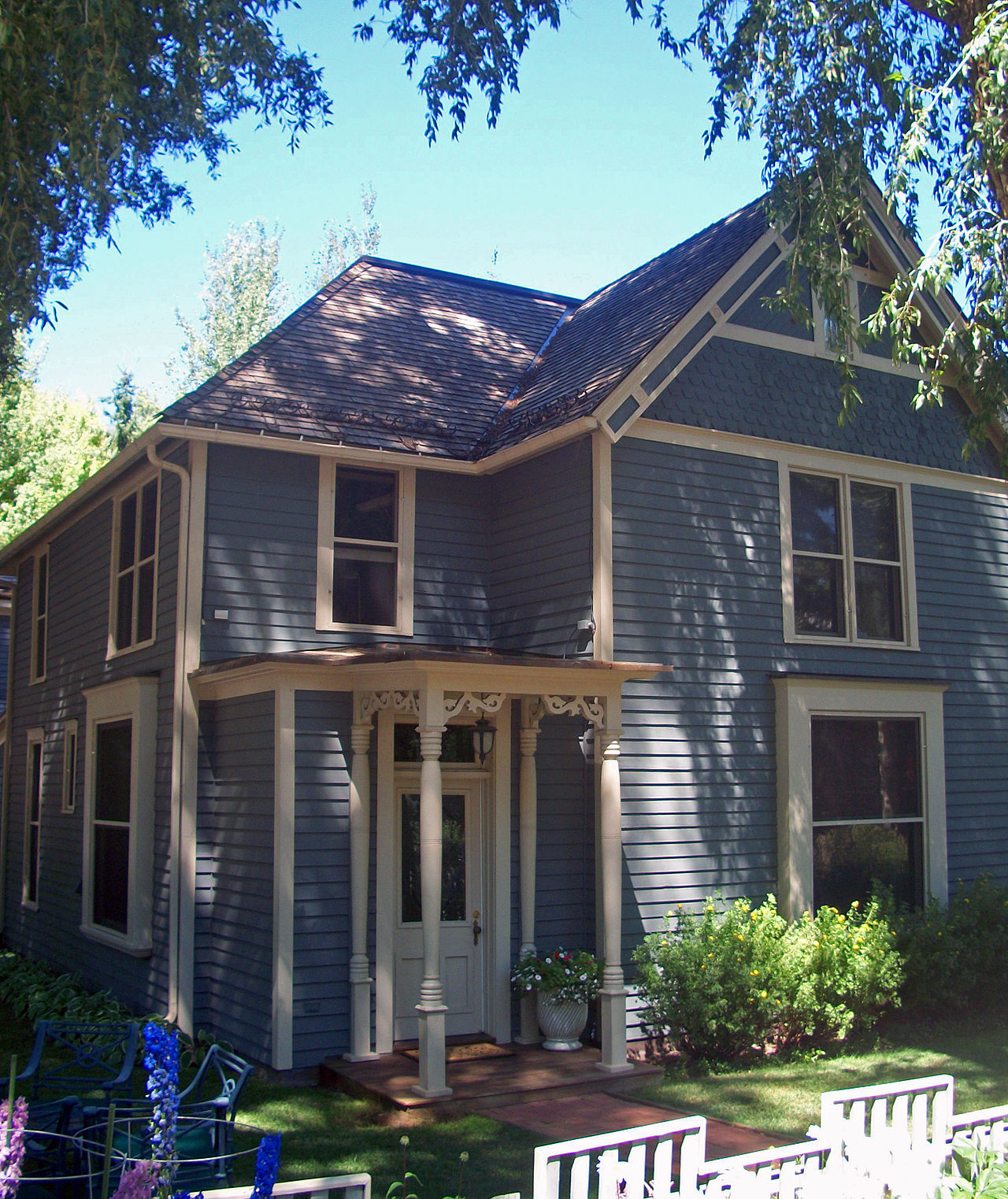
Where Politics Met Elegance: The Davis Waite House Aspen
Step into the Davis Waite House Aspen West End, where a Victorian façade hides more than ornate shingles and clapboard siding. This heritage real estate jewel whispers of political battles, architectural reinvention, and Aspen’s transformation from mining camp to cultural capital.
Property Snapshot
Location: 234 (or 201) W. Francis Street, Aspen, Colorado (West End)
Developer / Builder: Francis Orange (1888)
Designation: Listed on the National Register of Historic Places (NRHP Ref# 87000160, March 6 1987)
Current Use: Private residence
Year Built: 1888
Style: Victorian (Queen Anne–influenced)
Zoning: Residential (West End historic district, Aspen)
Did You Know?
Governor Davis H. Waite signed the 1893 bill that made Colorado the second state in the U.S. to grant women full suffrage—a landmark progressive achievement grounded at this very home. (Aspen Historic Preservation Inventory, aspen.gov).
Why It Matters
The Davis Waite House Aspen isn’t just a residence—it’s a tangible narrative of Aspen’s layered identity: political activism during the silver boom, survival through economic decline, renaissance in mid-century cultural transformation, and ongoing heritage preservation. It connects populist political history, Victorian architectural integrity, and modernist cultural renewal—at once rare and resonant in Aspen’s luxury real estate market.
History Through the Decades
1888: Built by miner-builder Francis Orange, the Davis Waite House Aspen began as a miner’s log cabin wrapped within its outbuilding—one of the city’s earliest surviving settlement structures.
1893–1895: Davis H. Waite, Colorado’s Populist governor, purchased the home while publishing The Aspen Weekly Times. From here, he navigated the Panic of 1893 and signed legislation granting women voting rights.
1901: After Waite’s death, Aspen entered its “Quiet Years” of economic decline, yet the house endured intact while many others disappeared.
1940s: Aspen’s cultural revival brought Bauhaus architect Herbert Bayer to the Davis Waite House Aspen, where he added his signature white picket fence—a modernist nod to Americana.
1970s: Oil executive Robert O. Anderson, chairman of the Aspen Institute, later lived in the home, reinforcing its status as both a cultural and architectural landmark.
Architectural Features
Fish-scale shingles crowning the front gable—typifying Queen Anne decorative flair.
Clapboard siding over the main frame, including the enclosed original log cabin outbuilding—a rare surviving miner’s structure.
Paneled vergeboards, cream- and blue-painted trim, and wood tracery brackets showcasing ornate Victorian craftsmanship.
One-over-one sash windows, including projecting bays and gable-aligned rhythm across facades.
Mid-century additions, including the non-historic two-story gabled structure and Herbert Bayer’s minimalist white picket fence—a Bauhaus reinterpretation of Americana
Explore More of Aspen’s History:
Step inside Aspen’s architectural past—explore more heritage properties like the Bowles–Cooley House and see how history continues to shape Aspen real estate today.
Q1: Who built the Davis Waite House and when?
A1: It was built in 1888 by Francis Orange during Aspen’s silver boom era.
Q2: Why is the house historically significant?
A2: It was home to Governor Davis H. Waite, a populist leader who signed women’s suffrage into law and published the Aspen Weekly Times, linking the house to progressive political history..
Q3: What makes its architecture noteworthy?
A3: The house blends Queen Anne–style elements—like fish-scale shingles and decorative vergeboards—with a preserved miner’s cabin and mid-century modernist touches by Herbert Bayer.
Q4: What happened to the house during Aspen’s Quiet Years?
A4: Despite Aspen’s economic decline after the 1893 silver crash, the Waite House remained intact, preserving its historic structure while many others disappeared.
Q5: Who were later notable residents of the house?
A5: Herbert Bayer, a Bauhaus architect involved in Aspen’s mid-century cultural revival, and Robert O. Anderson, chair of the Aspen Institute and oil executive.
Sources:
National Register of Historic Places – Davis Waite House (Pitkin County)
- Case, D. (2011). Home of Davis Waite [Photograph]. Wikimedia Commons. CC BY-SA 3.0.