
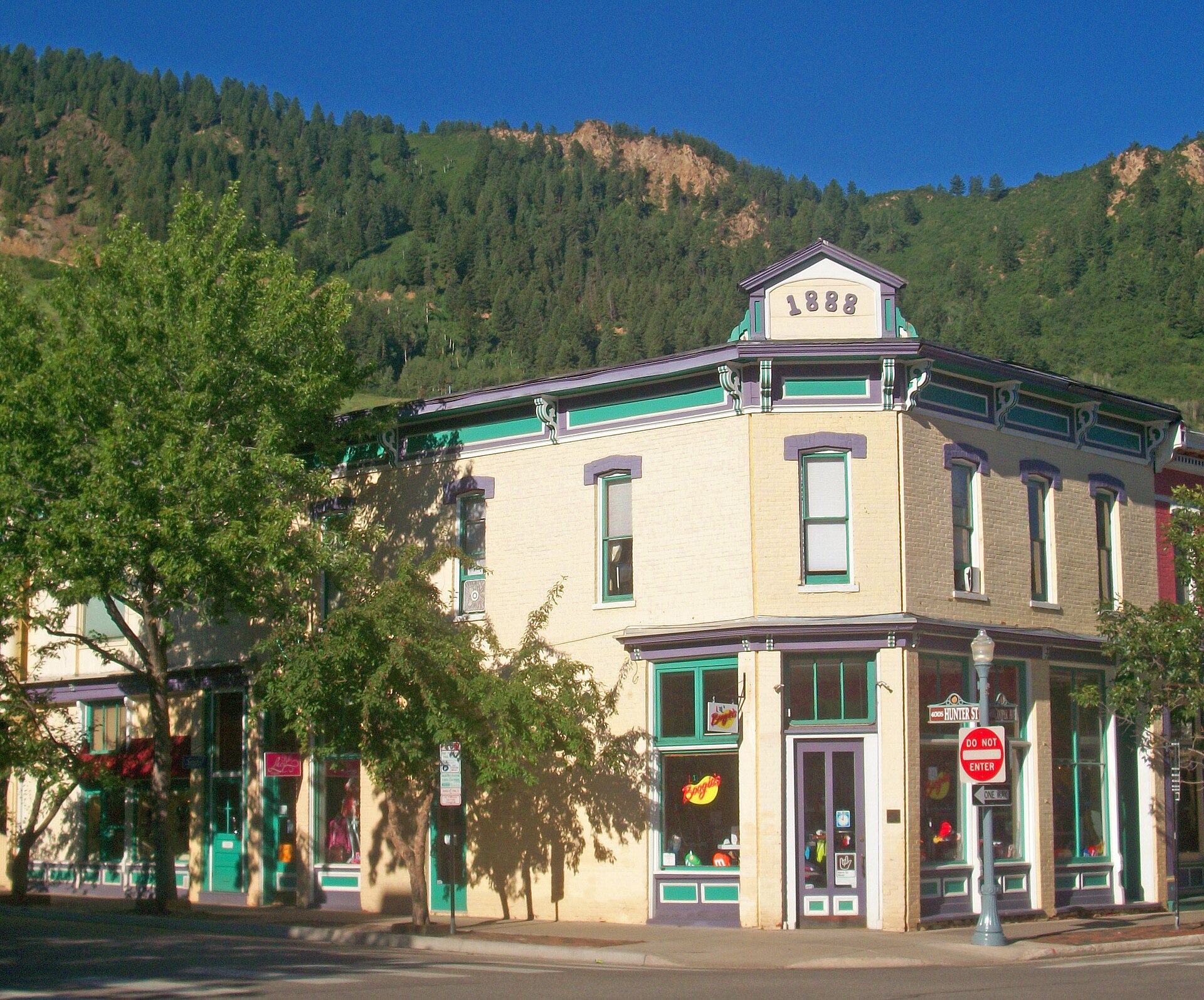
Where Aspen’s Past Still Stands: La Fave Block Historic Brick
The La Fave Block Aspen historic brick landmark has anchored downtown since 1888, standing as one of the city’s most prized Victorian commercial properties and a testament to Aspen’s enduring heritage real estate.
Property Snapshot
-
Location: 405 S. Hunter Street (corner E. Cooper & S. Hunter), Aspen, CO
-
Developer/Builder: Frank LaFave, early Aspen settler
-
Designation: Listed on the National Register of Historic Places, March 6, 1987
-
Current Use: High‑end retail (Boogie’s boutique), private offices
-
Year Built: 1888
-
Architectural Style: Late Victorian (Victorian Commercial)
-
Zoning: Central Aspen commercial retail office (prime pedestrian location near gondola)
Did You Know?
The La Fave Block Aspen historic brick structure is the second‑oldest commercial brick building in town and the only one constructed by Frank LaFave. Its survival is thanks to Aspen’s late‑1880s fireproofing ordinance that required brick or stone construction downtown.
Why It Matters
The La Fave Block Aspen historic brick building is more than an architectural relic; it reflects Aspen’s transformation from silver boomtown to world‑renowned ski and lifestyle destination. Its eclectic tenant history—from the St. James Restaurant to Stein Eriksen’s ski shop to Boogie’s boutique—captures Aspen’s entrepreneurial spirit and adds cultural weight to its real estate value.
History Through the Decades
-
1888: Built by Frank LaFave with St. James Restaurant as the debut tenant, praised as “magnificent, neat, and clean.”
-
1893 Silver Crash: Many buildings were abandoned or lost, but the La Fave Block Aspen historic brick property endured.
-
1950s: Architect Fritz Benedict restored and occupied the building, linking Aspen’s cultural revival to its built heritage.
-
1970s: Olympic gold medalist Stein Eriksen opened a ski shop in the structure.
-
1980s–Present: Retail icon Boogie Weinglass launched his boutique here; in 2008 the building sold for $14.6 million, reflecting its rarity in Aspen’s commercial market.
Architectural Features
-
Painted light‑yellow brick façade with ornate bracketed cornice in vibrant trim.
-
Distinctive clipped‑corner entrance capped with a triangular pediment stamped “1888.”
-
Large storefront display windows with transoms and recessed panels.
-
Upper story with tall, narrow sash windows framed by stone sills and decorative lintels.
-
The La Fave Block Aspen historic brick design blends durability with Victorian ornamentation
Explore More of Aspen’s History:
Explore Aspen’s architectural past through properties including Hyman–Brand Building and see how history continues to shape Aspen real estate today.
Q1: Why is the La Fave Block Aspen historic brick property significant?
A1: It’s the second‑oldest brick commercial building in Aspen, built in 1888, and remains one of the most intact Victorian commercial landmarks downtown.
Q2: Who built the La Fave Block Aspen historic brick structure?
A2: Frank LaFave, an early Aspen settler, constructed it during the height of the silver boom.
Q3: What architectural style defines the La Fave Block Aspen historic brick property?
A3: It is Late Victorian (Victorian Commercial) with ornate brackets, cornices, and sash windows.
Q4: What notable businesses have occupied the La Fave Block Aspen historic brick building?
A4: The St. James Restaurant, Fritz Benedict’s office, Stein Eriksen’s ski shop, and Boogie’s boutique.
Q5: What is the current use of the La Fave Block Aspen historic brick property?
A5: It houses high‑end retail and private offices in the heart of downtown Aspen.
Sources:
- History Colorado – La Fave Block
-
National Park Service – National Register Nomination Form (La Fave Block)
- Wikipedia – La Fave Block
- By Daniel Case – Own work, CC BY-SA 3.0, Wikimedia Commons.