
Aspen’s Victorian Time Capsule: Pioneer Park’s Ghostly Legacy
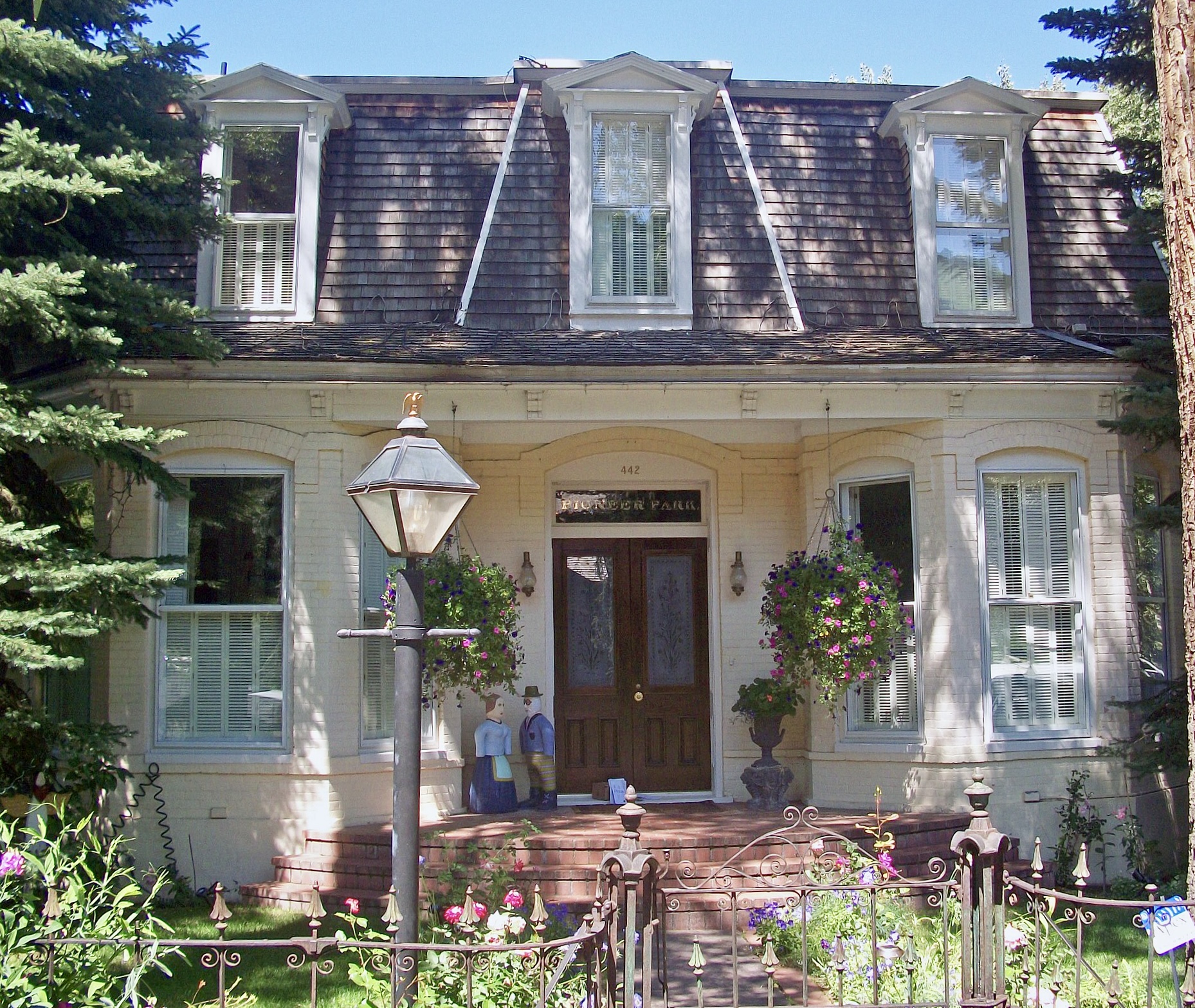
Pioneer Park Aspen, also known as the Henry Webber House, is one of the city’s most iconic heritage homes — a rare Second Empire residence blending Silver Boom ambition, Victorian intrigue, and even a ghost story that continues to haunt Aspen’s history.
Property Snapshot
-
Location: 330 W. Bleeker Street, Aspen, CO 81611
-
Developer: Henry Webber, merchant, investor, and Aspen mayor
-
Designation: National Register of Historic Places (#87002104, listed March 6, 1987)
-
Current Use: Private residence
-
Year Built: 1885
-
Architectural Style: Second Empire (Victorian)
-
Zoning: West End Historic District Residential
Did You Know?
In 1949, Nobel Peace Prize laureate Albert Schweitzer stayed at the carriage house of Pioneer Park Aspen — now called Schweitzer Cottage — during his only visit to the United States. He was a guest of Walter Paepcke, Aspen’s postwar cultural visionary. Source: National Register of Historic Places, U.S. Department of the Interior (1987)
Why It Matters
Pioneer Park Aspen is the only intact Second Empire residence in the city, making it an architectural rarity. It embodies Aspen’s transformation — from Silver Boom grandeur and Victorian scandal to its role in the cultural rebirth led by Walter and Elizabeth Paepcke. With its ghostly folklore, Schweitzer connection, and preserved elegance, the property represents the layered heritage that continues to define Aspen real estate.
History Through the Decades
-
Silver Boom Era (1885–1893): Built by Henry Webber, a wealthy merchant and Aspen’s mayor, the house reflected the city’s mining prosperity. Its distinctive mansard roof and iron fence stood as symbols of frontier opulence.
-
Victorian Intrigue (1881–1900s): The tragic and mysterious death of Webber’s wife, Harriet, fueled Aspen’s most famous ghost legend. Her reported last words — “Henry will know” — remain tied to Pioneer Park Aspen and its lore.
-
The Quiet Years (1900s–1930s): While Aspen’s economy collapsed, the house endured as many boom-era structures were lost.
-
Paepcke Era (1944–1970s): Walter and Elizabeth Paepcke, cultural visionaries and founders of the Aspen Institute, purchased the home. It became a gathering place for intellectuals and artists, including Albert Schweitzer.
-
Preservation & Legacy (1987–Today): Listed on the National Register of Historic Places, Pioneer Park Aspen remains a private residence but continues to symbolize Aspen’s heritage, resilience, and cultural ambition.
Architectural Features
Exterior
-
Distinctive mansard roof with dormer windows, hallmark of the Second Empire style.
-
Elegant polygonal bay windows and bracketed cornices.
-
Original cast-iron fence framing the landscaped grounds.
-
Rear kitchen wing and garden terrace added during the Paepcke era.
Interior
-
Rich black walnut woodwork throughout, including staircases and door surrounds.
-
Ornate plaster ceiling medallions and chandeliers.
-
Marble fireplace mantel (likely added by the Paepckes).
Outbuildings
-
Schweitzer Cottage (Carriage House): Historic brick structure named after Albert Schweitzer.
-
Octagonal summer house and non-contributing garage added during Paepcke ownership.
Explore More of Aspen’s History:
Explore more of Aspen’s heritage real estate, including the Aspen Historic Properties and the Newberry House and see how history continues to shape Aspen real estate today.
Q1: What is Pioneer Park Aspen also known as?
A1: It is also called the Henry Webber House and the Webber–Paepcke House, reflecting its different ownership eras.
Q2: Why is Pioneer Park Aspen historically significant?
A2: It is Aspen’s only intact Second Empire residence, tied to both the Silver Boom and Aspen’s postwar cultural revival.
Q3: What is the ghost story connected to Pioneer Park Aspen?
A3: Harriet Webber, Henry’s wife, died mysteriously in 1881. Her alleged last words, “Henry will know,” sparked Aspen’s most famous ghost legend tied to Pioneer Park Aspen.
Q4: Can the public tour Pioneer Park Aspen?
A4: No, it is a private residence, but the historic exterior can be admired from the West End Historic District.
Q5: Who were the Paepckes and how did they shape Pioneer Park Aspen?
A5: Walter and Elizabeth Paepcke were cultural leaders who transformed Aspen into an international destination for skiing, arts, and intellectual life, and their ownership of Pioneer Park Aspen anchored its role in the city’s renaissance.
Sources:
- Colorado Haunted Houses
- Aspen Times
- National Register of Historic Places
- By Daniel Case – Own work, CC BY-SA 3.0. Wikimedia Commons.